Artist-in-Residence Program
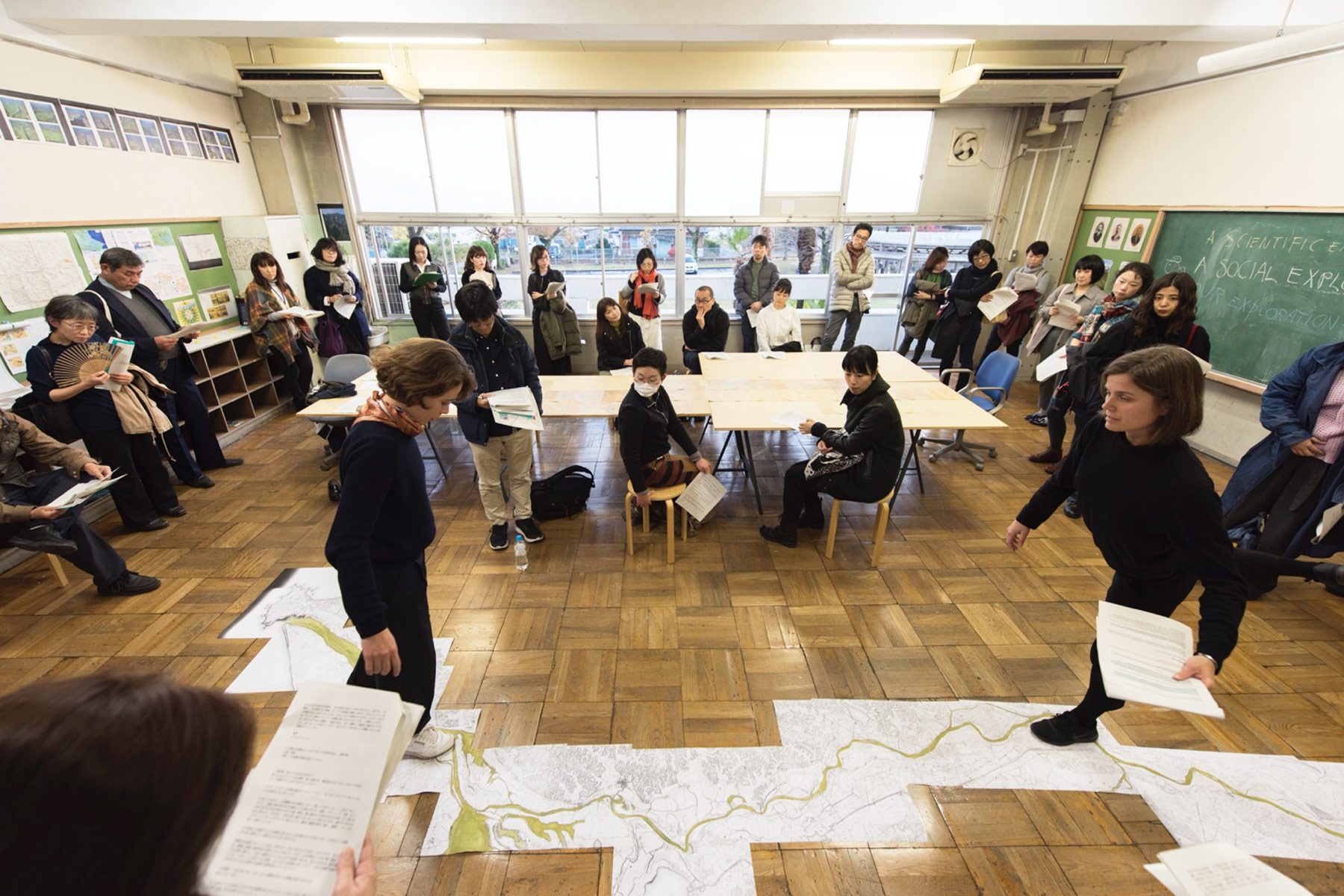
Artist-in-residence program provides opportunities for artists in the field of contemporary art to cultivate their artistic creativity and vision since 1994. Located around an hour from Tokyo, a residency at ARCUS Studio allows participants in the program to come into contact with the contemporary art scene in Japan as well as devote themselves to their creative endeavors in a calm environment while interacting with the local community. Through the support the program offers from its dedicated team of coordinators and regular tutorials with a curator, artists are able to search for and explore approaches in their practices and undertake new challenges in their artistic expression.
The program particularly emphasizes research-based practices and presents the initial results of these processes at open studios. It welcomes ideas for artworks and projects that develop out of encounters with people, the land, and culture, and aspire to form critical discourses that are open and international.
- Duration
- Approximately 90 days
- Program Provisions
- A private studio, accommodation, transportation, production fee, living expense, and staff support. (567,000 JPY is provided as a living expense and production fee in 2024. The allowance is subject to change.)
- Open Call
- January through March (TBD)
- More Info
- Past Residents
2026 Resident Artist
ARCUS Project’s Artist-in-Residence Program received applications from 749 international applicants (from 89 countries and regions) and 8 applicants from Japan. Following a careful and thorough selection process, Hrair Sarkissian, Bruno Ruiz, and artist duo Vivi Zhu and Jiawei Tian have been selected as the 2026 artists-in-residence. The artists will participate in a 90-day residency at the ARCUS Studio in Moriya, Ibaraki, from September 11 to December 9, 2026. As the judges for this year’s applications, Iioka Riku, Associate Curator at Yokohama Museum of Art and Yoshida Yamar, Curatorial Producer and Founder of FLOATING ALPS LLC. who made the selection through a process of discussion with the ARCUS Project Administration Committee.
Overview of the 2026 Selection
In 2026, the ARCUS project received 749 applications from residents outside of Japan for the Artist-in-Residence Program – the highest number since we began the open call. This is likely influenced by ARCUS’ growing international reputation, such as the feature in two online art magazines* in 2025 as one of the “Best 10 Art Residencies Around the World.” On the other hand, we received only 8 applications from those residing in Japan, fewer than other years. The selected artists all demonstrate consistency in both their works and practices, conceiving and realizing their projects from personal experiences and memories shaped by the cultures and societies they belong to. As a result, while speaking of matters of the individual, their work also simultaneously expresses the history and culture of states or cities, with truly rich breath and depth in expression. We also highly commended the clear articulation of preparatory study and research in their proposals. With selected themes such as “jōhatsu,” gariban, and flood control, we greatly look forward to how these will be used to illuminate Japan’s cultural and political climate.
* Sylvia Walker, ’10 Of The Best Artist Residencies In The World’, Contemporary Art Issue (CAI) (2025)
Shira Wolfe, ‘Spaces for Creation: 10 Artist Residencies Around the World’, Artland (2025)
Ozawa Keisuke (Executive Director)
2026 Resident Artist
Hrair Sarkissian
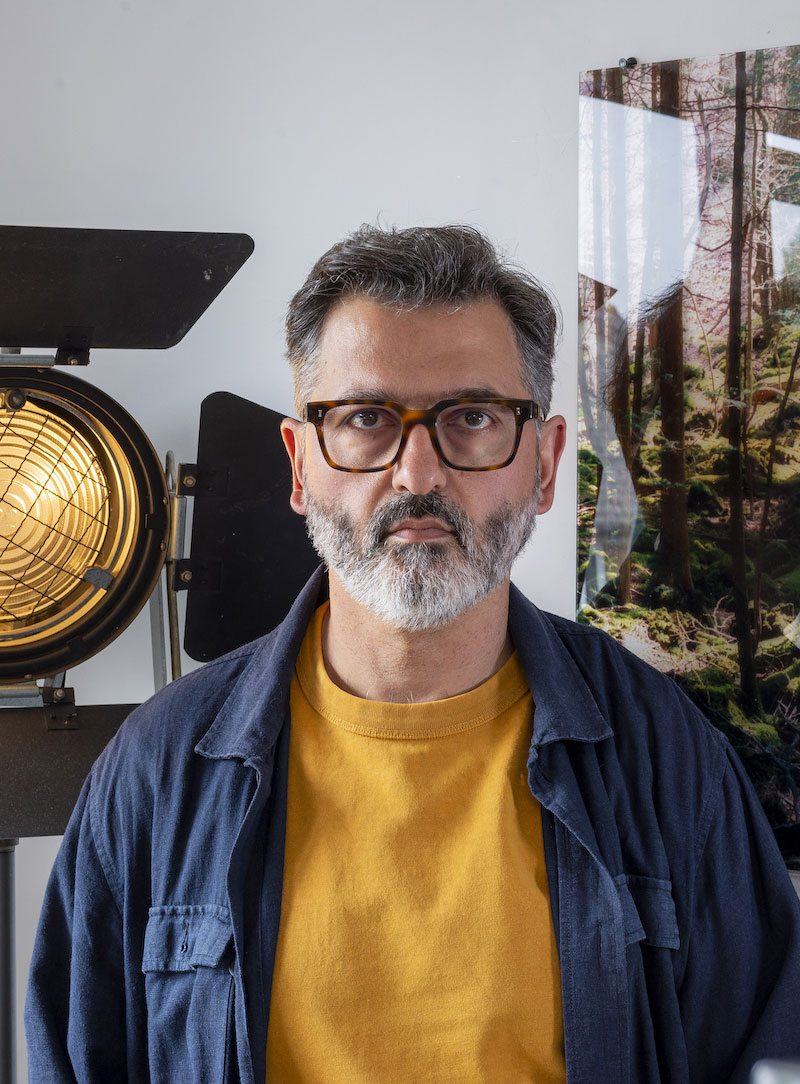
Sarkissian is a Syrian artist of Armenian descent, currently based in London, UK. In Japan, he has previously participated in the “Arab Express” exhibition held at the Mori Art Museum, Tokyo in 2012, as well as the Aichi Triennale 2025. His practice consistently adopts a format of archiving traumatic events, including the Armenian genocide and those which occurred in Syria, through photography, sound and installation. Execution Squares is a series of photographs of public squares in the Syrian cities of Aleppo, Latakia and Damascus, where public executions were once carried out. The shadow of state violence hangs over these scenes of the city that are encountered casually every day. What happened, what was lost, what is a state, and what is identity? These questions of history and belonging resonate deeply throughout Sarkissian’s works. Past solo exhibitions include The Other Side of Silence (Sharjah Art Foundation, UAE, 2021-2022) and FOCUS: Hrair Sarkissian (Modern Art Museum of Fort Worth, USA, 2020). He also participated in Armenity/Haiyutioun. Contemporary Artists from the Armenian Diaspora, presented by the Armenian Pavilion at the 56th Venice Biennale, which won the Golden Lion for Best National Participation.
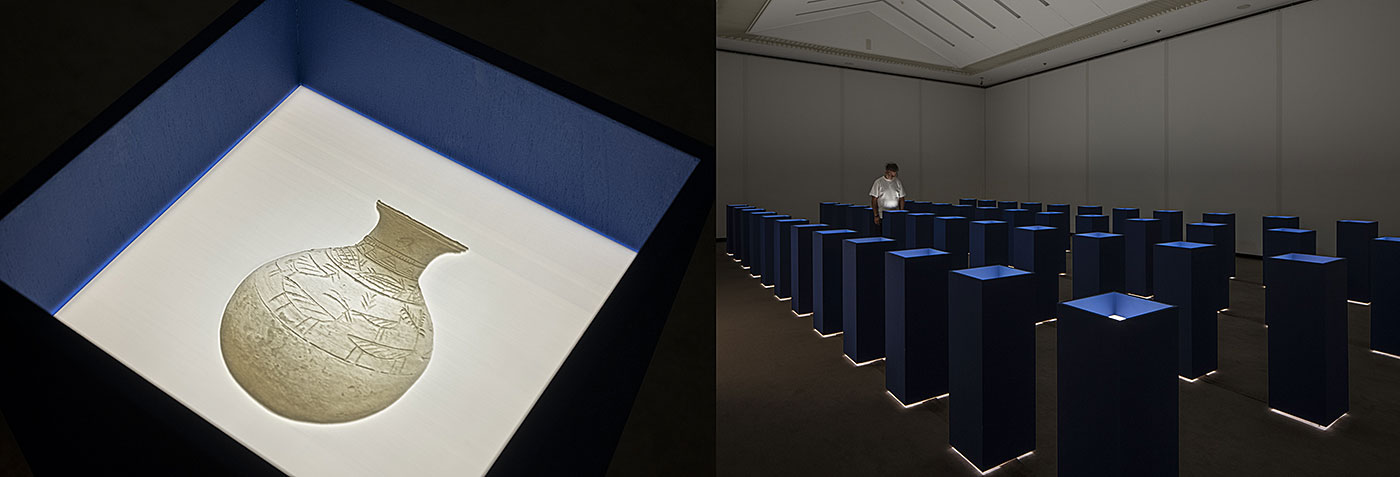
Stolen Past
Installation of 90 lithophanes, 2024-2025
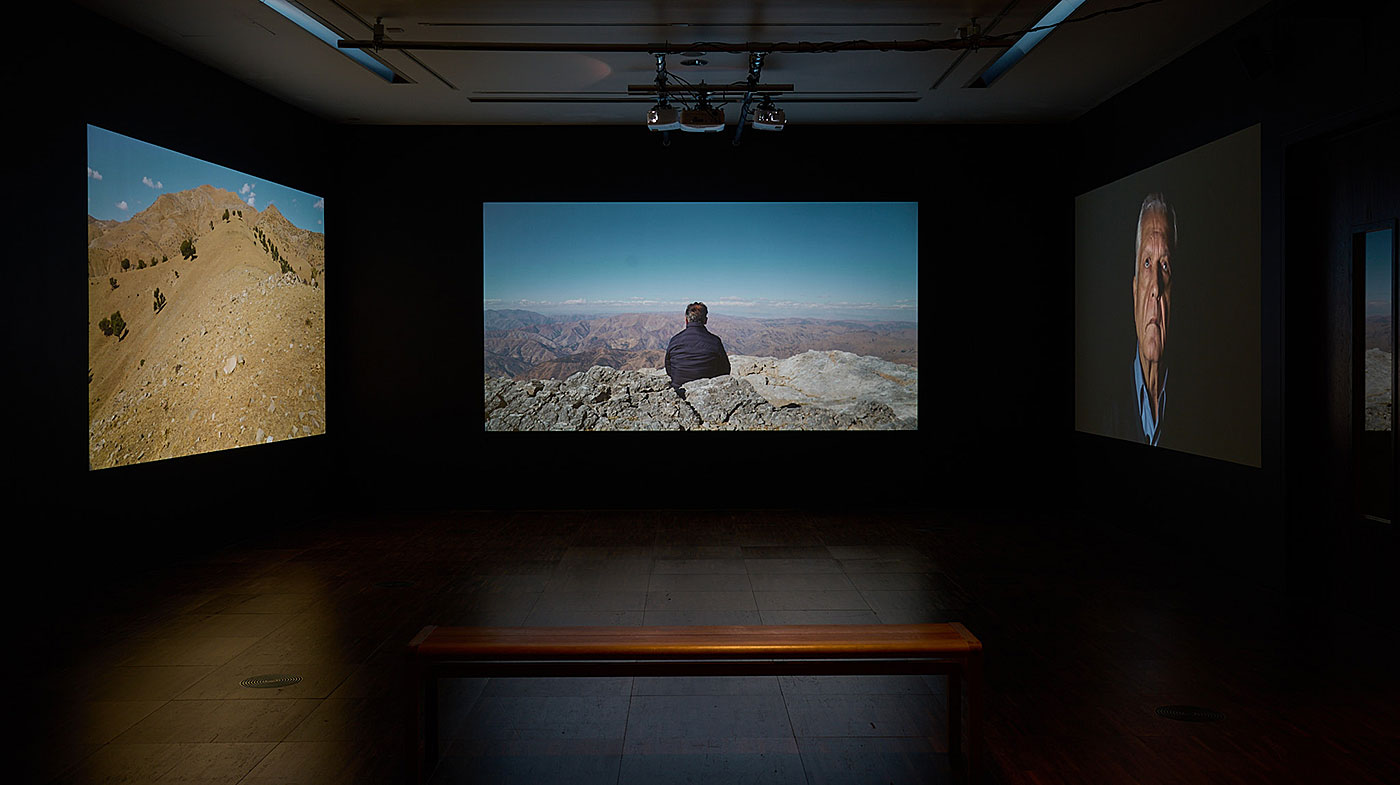
Sweet & Sour
Video installation, 2021-2022
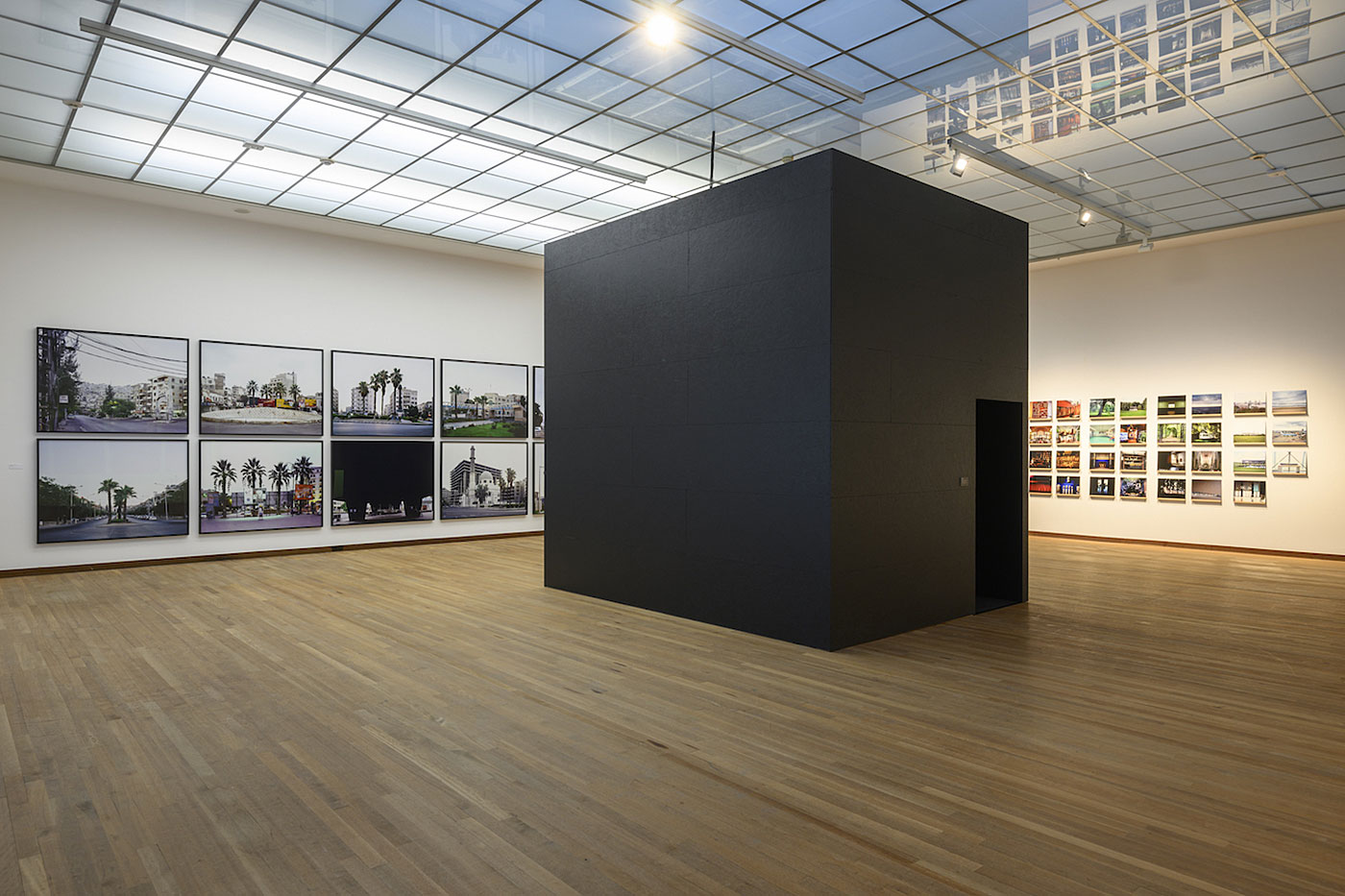
Deathscape
Sound installation, 2021
Reason for Selection
The artist plans to explore the phenomenon of voluntary disappearance from society, “jōhatsu,” from perspectives including social absence and presence, that which is visible and invisible, and the impact on those left behind, bringing them together in the work Into Thin Air. In his previous works such as Stolen Past, which recreates historical cultural artifacts lost through destruction or looting by the Islamic State (IS) using lithophane techniques, Sarkissian holds a deep interest in the phenomenon of the loss of that which should exist. However, his understanding of this not as something only negative, but rather as a transition to a new stage is intriguing. He was selected for the focus and imaginative depth of his proposal, interweaving the Japanese social phenomenon of “jōhatsu” with the experience of growing up in Syria, developing them from interviews into sculpture and pursuing the constructive meaning of disappearance.
2026 Resident Artist
Bruno Ruiz

Ruiz is based in Mexico City, and his practice is on the intersection of the DIY (Do It Yourself) ethos and street culture. In Mexico City, where social and cultural resources are limited, he incorporates duplication and piracy as means and methods to pursue freedom of expression. He is also active as part of the “Red de Reproducción y Distribución (RRD: Network of Reproduction and Distribution),” a collective which functions out of a kiosk on the street producing self-published zines. Critically challenging the industrialized publishing and distribution systems, he conveys another path in the DIY-spirit, carved out independently through workshops and installations. Past exhibitions include Sharjah Biennial 16 (UAE, 2025), the Busan Biennale (South Korea, 2024, as RRD), and Copy Machine Manifestos: Artists Who Make Zines (Brooklyn Museum, USA, 2023, as RRD). In 2024, he participated in artist-in-residence programs at the Fukuoka Asian Art Museum (Japan) and the Singapore Art Museum.
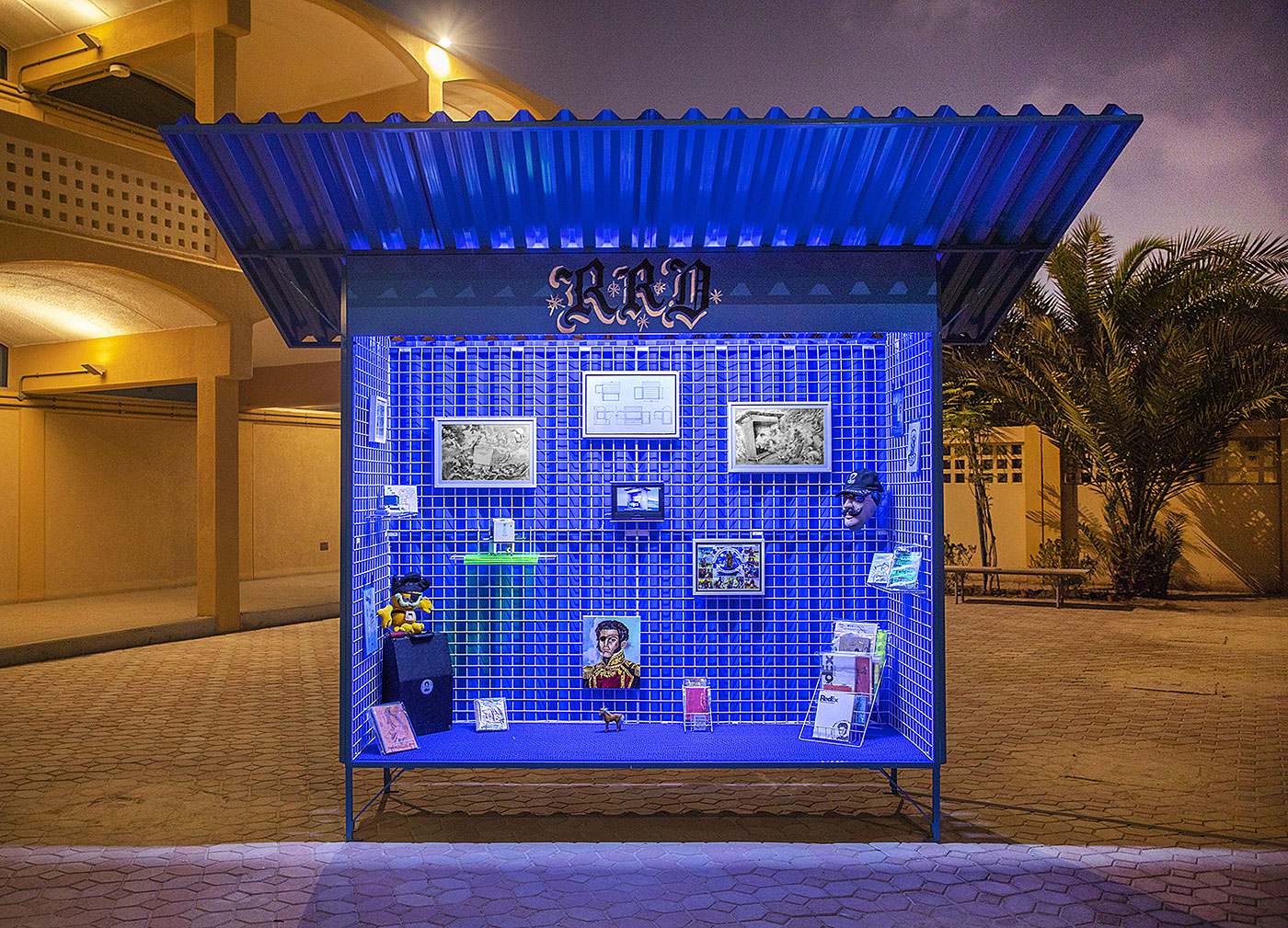
Micromuseum
Installation, 2025
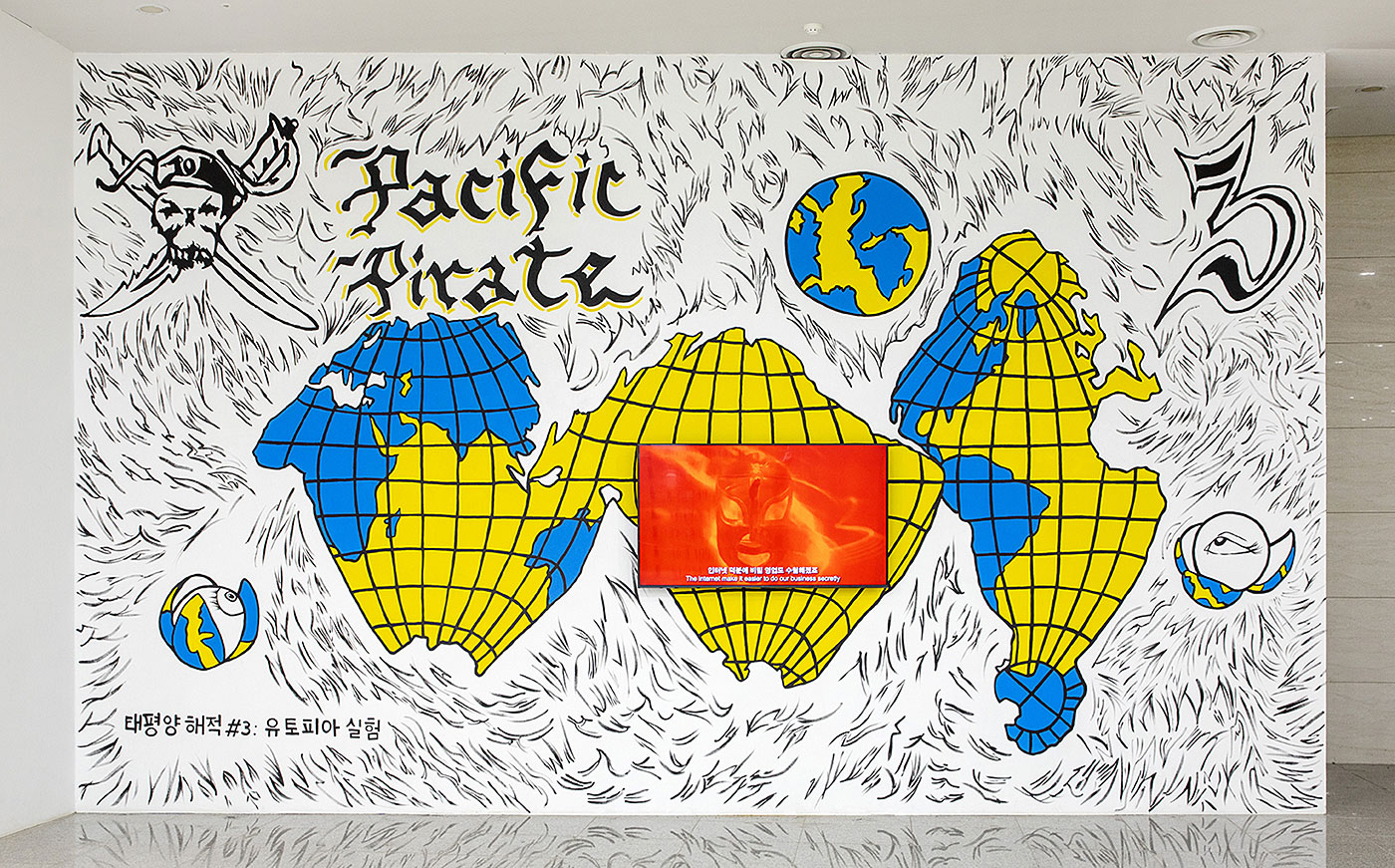
Pacific Pirate #3: Utopian Experiments
Installation, 2024
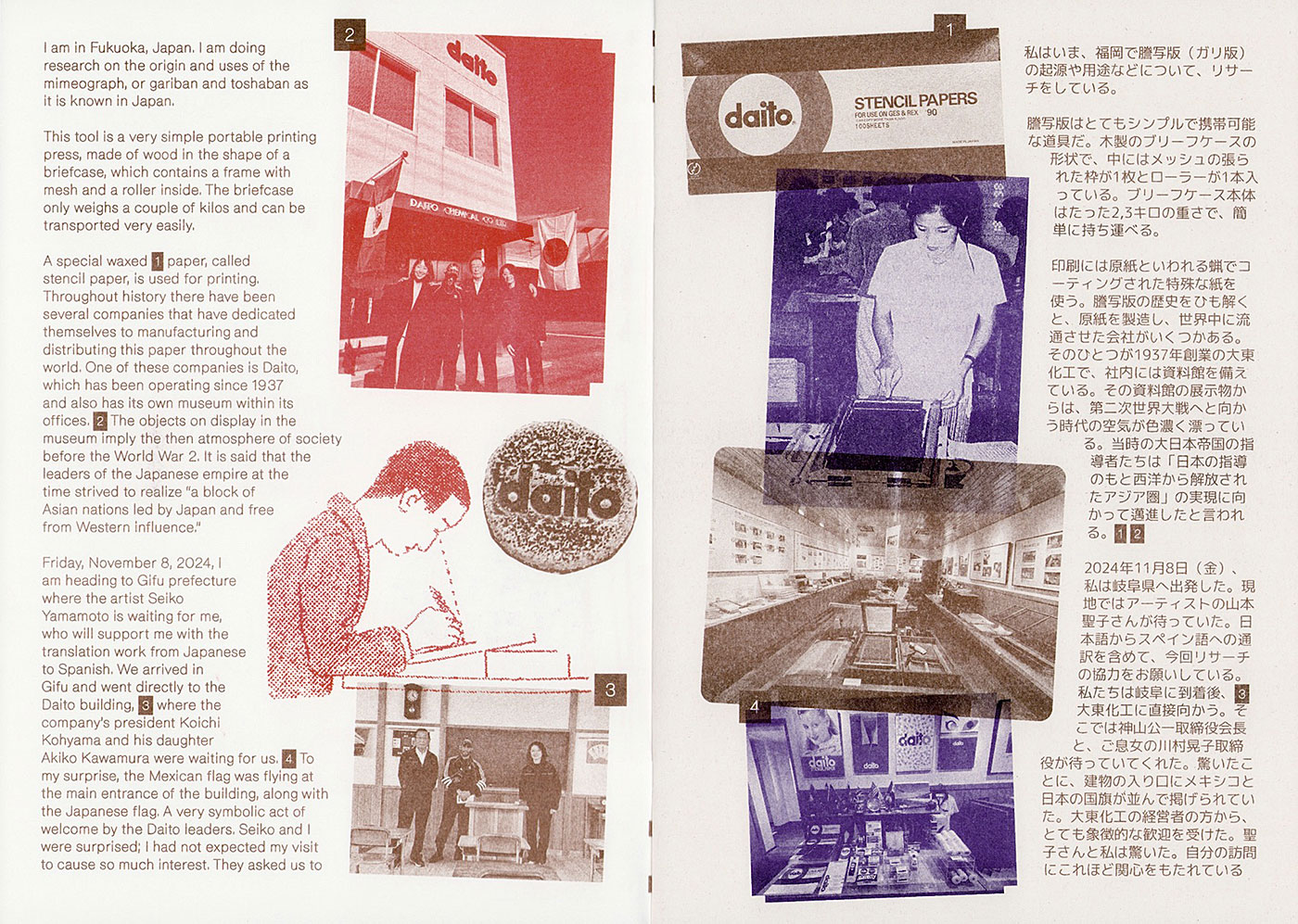
Mimeograph Chronicles
Zine, 2024
Reason for Selection
Combining Mexico City’s street culture and DIY spirit with Japan’s printing technology, the artist will transform both into something even more evolved and unique. The printing technique Ruiz examines is the mimeograph referred to as gariban. widely known in Japan. The historical and social development of gariban in Japan spans a wide range of fields, from military communications to educational practices. Furthermore, it was used by artists such as Kusama Kyokei (real name Sagawa Yoshitaka, 1902-1971), who was born in the village of Satomi in Kuji district, Ibaraki Prefecture (present-day Hitachiota City). During his residency at ARCUS, Ruiz will particularly research the so-called “god of mimeograph” Kusama’s Record of the Great Earthquake and Fire Disaster of the Year of the Water Pig, published by Horii Toshaban-do, the company that invented the mimeograph. While examining the role the mimeograph technique has played in recording disasters and artistic expression, he will also conduct a comparative study of cultures of replication in Japan and Mexico. He was selected in anticipation of his reconsideration of Mexico’s DIY and street culture through the lens of the gariban, as well as the potential for community building in Moriya around this technique.
2026 Resident Artist
Vivi Zhu and Jiawei Tian
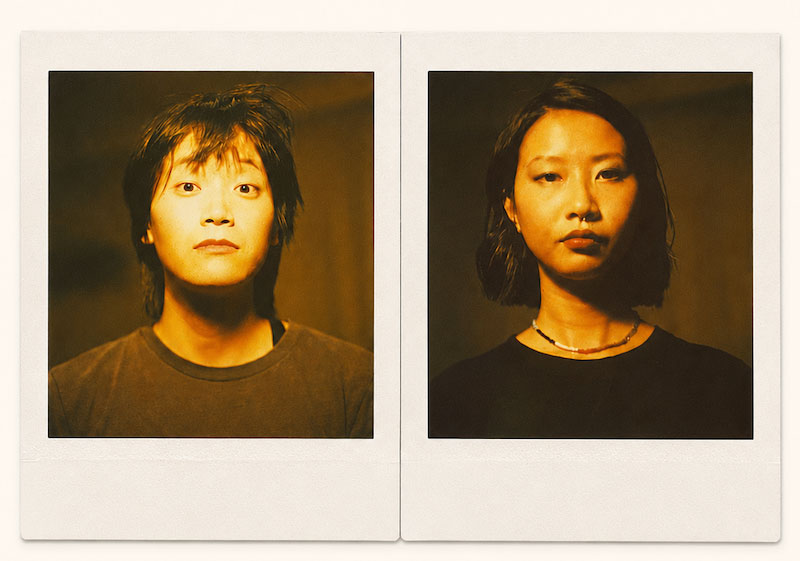
Photo by Yuqi Wang
This duo is comprised of artist-curator Vivi Zhu and artist Jiawei Tian. Interested in the concept of ‘performance’ in everyday life, Zhu researches the process of identity being formed and reimagined within cultural contexts and social constructs. Tian is interested in psychological or physical transitions and tipping points, visualizing these through performative sculpture and installation. While both explore social systems and constructs through physical experience, they remind aware that both are also subject to change through their mutual influence. Further, their engage with spacial concepts and practical applications informed by ethnology and anthropology, bringing a vitality to their work. Both Zhu and Tian have participated in numerous exhibitions at art spaces in Tokyo and across China.
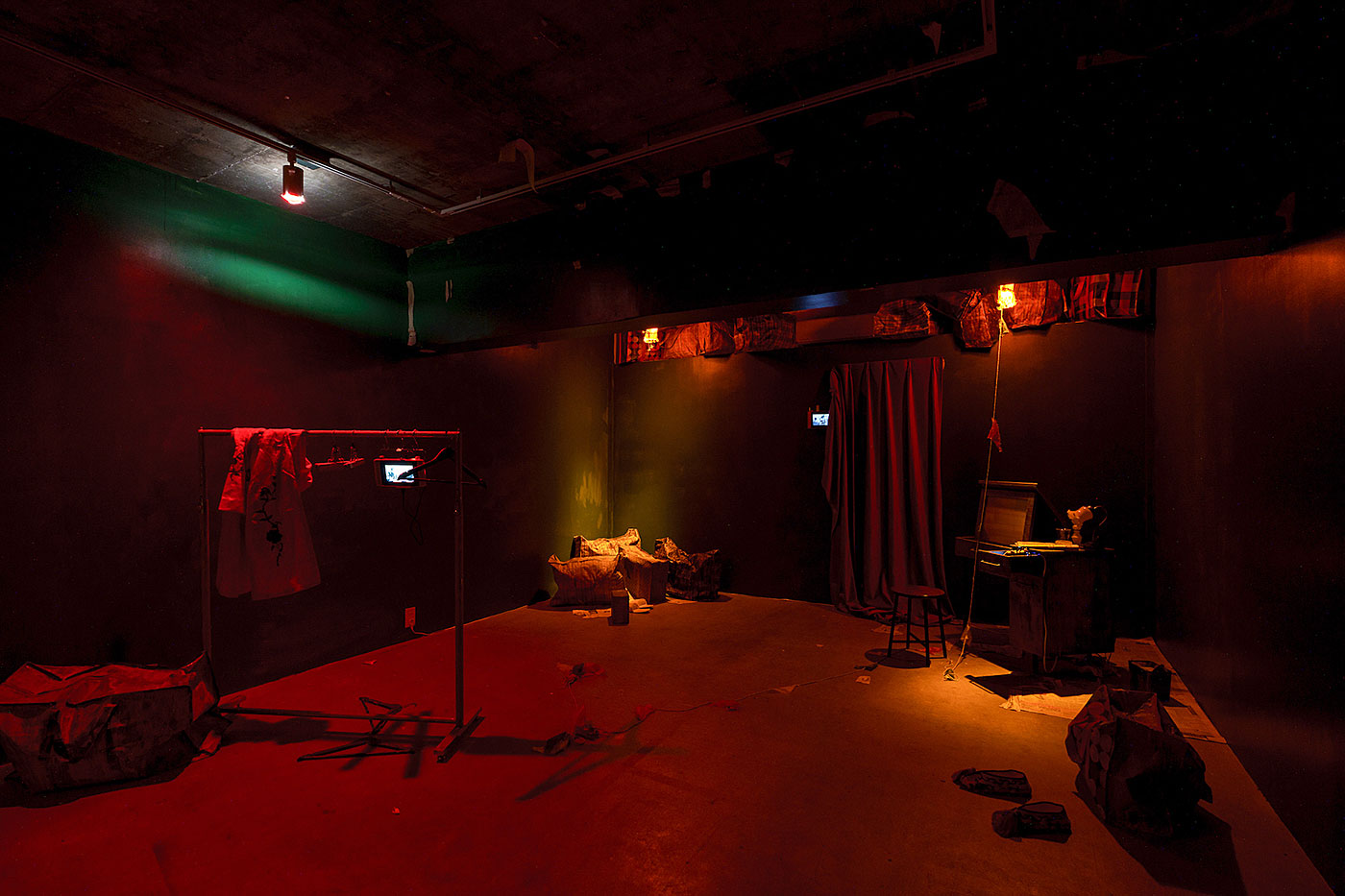
A Knot Can Be United When the Loop Is Broken (by Vivi Zhu)
Installation, 2024
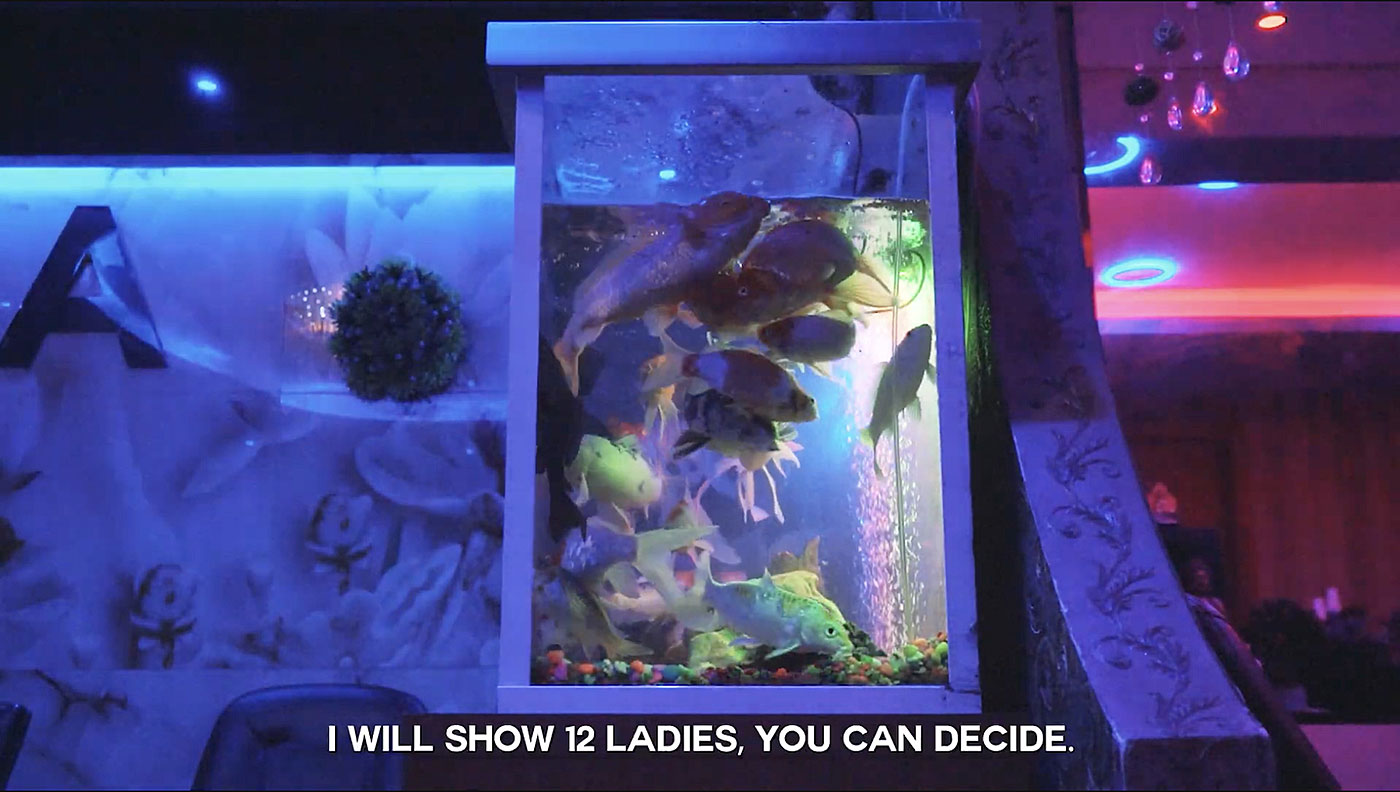
Fish Tank (by Vivi Zhu)
Video, 2022
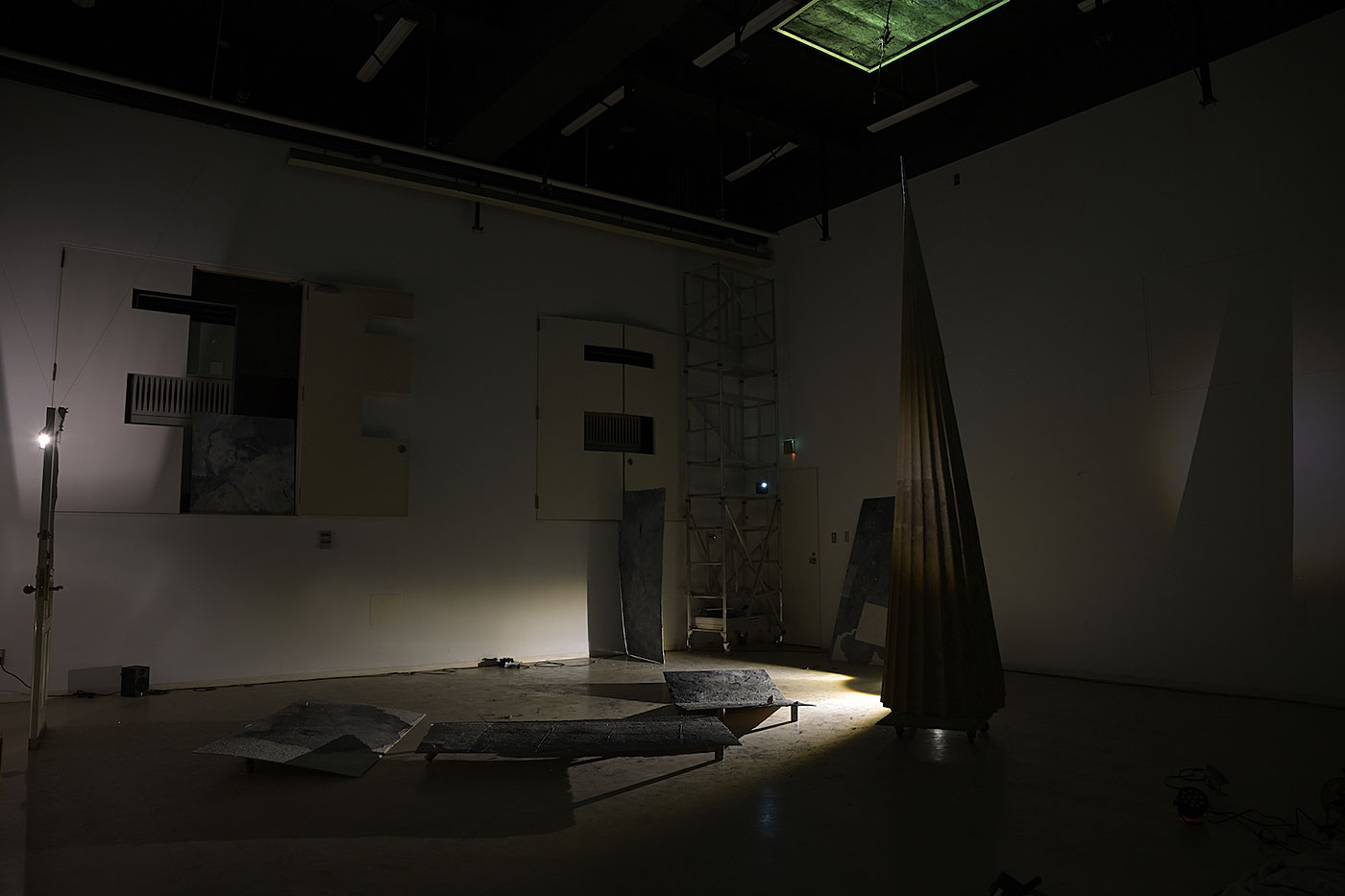
elsewhere, within here (by Jiawei Tian)
Performative installation, 2026
Reason for Selection
Using i-go, a game said to have originated in ancient China as a point of entry, the duo plans to deepen their consideration of how social spaces are constructed and remembered by people. Their work is inspired by an acquaintance living with dementia, who starts to imagine his surroundings as an i-go board, arranging items around him in reality. Expanding on this perspective and framework they will also examine how flood control is carried out, including where dams are constructed, how the flow of water is regulated, and how this alters the landscape. The town of Moriya is surrounded by rivers such as the Tone, Kinu and Kokai, which are sourced from the mountains surrounding the Kanto Plain. The artists will reinterpret this region’s landscape not as something fixed or taken for granted, but as something constructed strategically by human hands. They will investigate how traces of authority are carved within the landscape, and how humans have historically perceived and represented this. We look forward to their effort to illuminate societal motives and constructs through everyday events.